
The finish of a door handle may seem like a small detail, but it has a significant impact on the overall design and performance of a space. From modern matte black to timeless brushed nickel, the right choice can elevate a project’s look while ensuring durability and ease of maintenance.
We understand how challenging it is for professionals to balance looks, functionality, and client expectations when selecting hardware finishes for residential or commercial projects.
This guide will help you navigate popular door handle finishes, their strengths and limitations, and key factors to consider for long-term results.
Brief breakdown:
- Consider factors like project type, door material, environmental conditions, client preferences, and design consistency when selecting door handle finishes.
- The right finish enhances style, ensures durability, and influences how clients perceive the quality of your work.
- Different finishes perform uniquely in high-traffic, humid, or design-intensive environments, making informed selection critical for long-term success.
- Maintenance practices and finish quality directly impact hardware longevity, reducing future callbacks and replacements.
Importance of Door Handle Finishing
Door handle finishes do more than complete a functional detail; they play a key role in tying together the style and practical elements of a space. For professionals, the finish choice directly affects the harmony and longevity of a project.
These are some factors that highlight the importance of door handle finishing:
- Defines the design language: The finish sets the tone for contemporary, classic, industrial, or transitional spaces, anchoring the hardware in the overall design.
- Balances door material: It complements or contrasts with wood, glass, or metal doors, enhancing the visual harmony of a room.
- Maintenance requirements: Some finishes are more resistant to fingerprints, scratches, and tarnishing, reducing upkeep in high-use areas.
- Perceived quality: A well-chosen finish conveys attention to detail and professionalism, influencing how clients experience the finished project.
Understanding the impact of door handle finishes is essential when selecting the right hardware for a project. Let’s now explore the factors that contribute to making the right choice, ensuring both style and functionality align perfectly.
Suggested Read: Installing Sliding Closet Doors Over Carpet
Popular Door Handle Finishes and Their Characteristics
The right door handle finish can define a room’s style while meeting functional needs. Each finish has unique visual and performance qualities that influence how it fits into different environments.
These are a few popular options:
1. Polished Chrome
Polished chrome offers a bright, reflective surface that pairs well with modern and minimalist interiors. Its sleek appearance creates a clean, upscale look but requires regular cleaning to maintain its shine.
Let’s take a closer look at polished chrome and how its qualities make it a popular choice for modern interiors:
- Highly reflective and light-enhancing.
- Shows fingerprints and smudges easily.
- Ideal for contemporary kitchens, bathrooms, and commercial spaces.
2. Satin Nickel
Satin nickel delivers a soft, brushed texture with a subtle sheen, making it versatile for both traditional and modern spaces. It hides fingerprints better than polished finishes and works well in high-traffic areas.
Below are the key characteristics that make satin nickel a versatile and practical choice:
- Fingerprint-resistant and easy to maintain.
- Complements warm tones and natural wood finishes.
- Common in residential and office projects.
3. Matte Black
Matte black provides a bold, modern style that works across various design styles, from industrial to luxury. Its smooth, non-reflective surface minimizes visible wear, making it popular for contemporary interiors.
These features make matte black ideal for a range of design styles:
- Conceals fingerprints and minor scratches.
- Offers a dramatic contrast on light-colored doors.
- Increasingly specified in high-end residential designs.
4. Oil-Rubbed Bronze
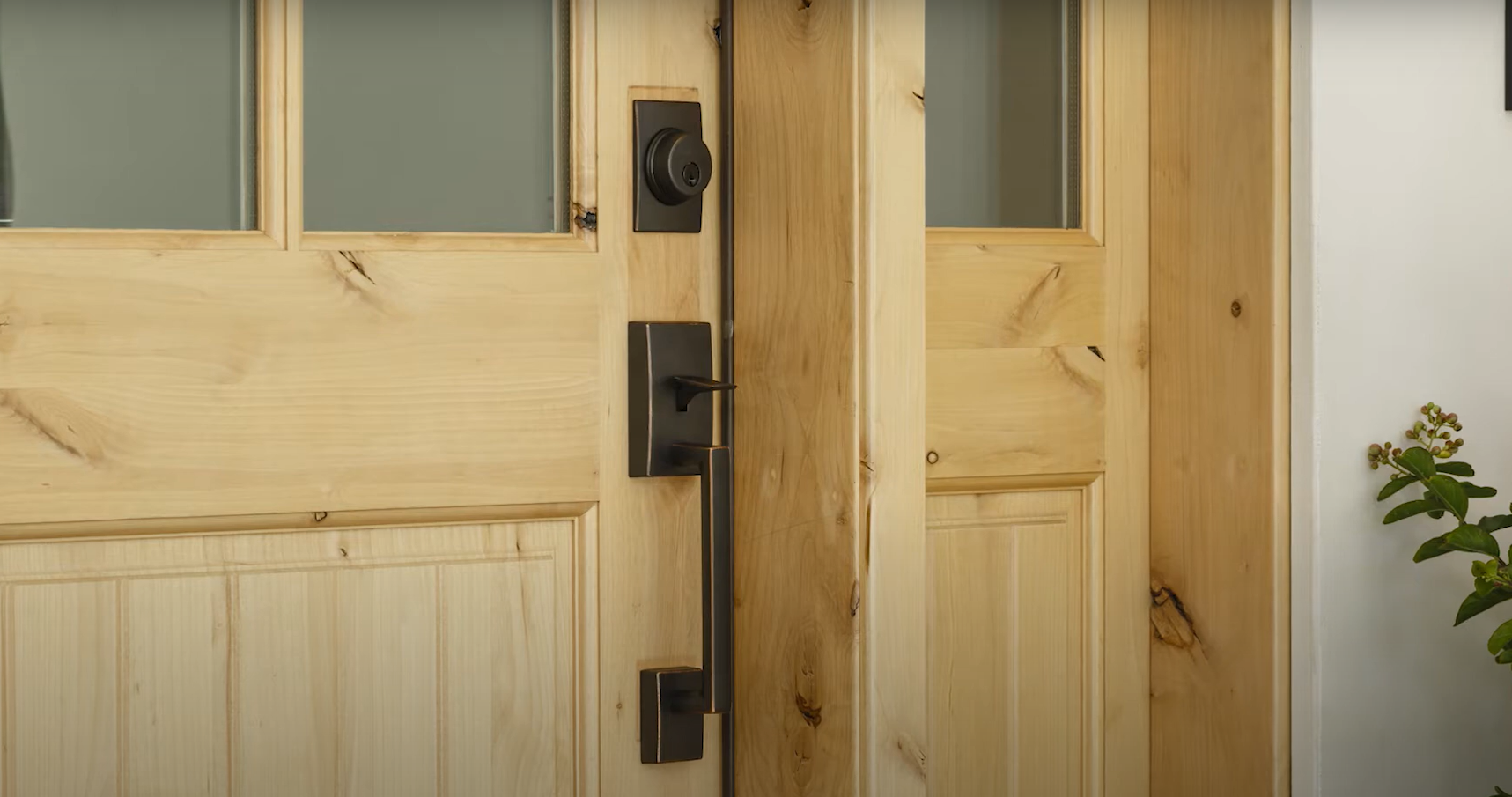
Oil-rubbed bronze brings warmth and a slightly rustic appeal with its dark, textured finish. It develops a natural patina over time, adding character to traditional and craftsman-style spaces.
Here are the features that make this finish particularly appealing:
- Rich, dark tones with subtle copper undertones.
- Shows wear in high-touch areas, which enhances its aged look.
- Best for heritage homes, luxury spaces, and rustic interiors.
5. Brushed Brass/Gold
Brushed brass and gold finishes are resurging as popular choices for elegant, statement-making hardware. Their muted shine avoids the overly polished look of past trends while offering a timeless, luxurious feel.
Here are the defining characteristics of these finishes that make them ideal for creating a sophisticated statement:
- Warm, sophisticated appearance with soft luster.
- Pairs beautifully with both modern and vintage character.
- Suitable for boutique hotels and upscale residential spaces.
6. Stainless Steel
Stainless steel provides unmatched durability and corrosion resistance, making it a top choice for commercial and coastal projects. Its understated look blends easily into a variety of design schemes.
These features make stainless steel a versatile and reliable finish:
- Extremely resistant to rust and wear.
- Low maintenance and ideal for high-traffic areas.
- Often used in industrial, healthcare, and hospitality environments.
Each finish offers distinct advantages, but it’s important to consider their practical trade-offs. Let’s now dive into the pros and cons of these finishes to guide your decision-making process.
Pros and Cons of Different Door Handle Finishes
Every door handle finish has its advantages and limitations. Evaluating these helps professionals select options that balance visual impact, durability, and maintenance for their projects.
The table offers a convenient comparison of the benefits and drawbacks of each type of door handle finish:
| Finish | Pros | Cons |
|---|---|---|
| Polished Chrome | Sleek, modern look that reflects light beautifully. | Shows fingerprints and water spots that require frequent cleaning. |
| Satin Nickel | Fingerprint-resistant, which blends with many styles. | Can dull over time without proper care. |
| Matte Black | Bold, contemporary appeal that hides fingerprints well. | May chip or scratch if not factory-finished properly. |
| Oil-Rubbed Bronze | Warm, traditional look. | Can wear unevenly in high-contact areas. |
| Brushed Brass | Luxurious, elegant appearance for an on-trend finish. | Sensitive to harsh cleaners, which may tarnish without sealing. |
| Stainless Steel | Highly durable, corrosion-resistant, and easy to clean. | Cool tones, which may not suit warmer interior palettes. |
After evaluating the pros and cons, it’s crucial to factor in other considerations to ensure the best choice for your project. Let’s explore the key factors that should influence your decision.
Suggested Read: How to Fix a Large Gap Under the Door?
Factors to Consider When Choosing Door Handle Finishes
Selecting the right door handle finish goes beyond design style. It requires a balance between functionality, client preferences, and environmental factors to ensure a durable and cohesive result for any project.
These are a few necessary factors to pay attention to when selecting a door handle finish:
1. Project Type and Usage Requirements
The demands of a commercial project differ greatly from residential spaces. High-traffic areas like offices and hotels require durable finishes that withstand frequent use, while residential projects may prioritize looks and customization. Always align the finish to the environment’s intensity of use.
2. Compatibility With Door Material and Style
Door finishes and handle finishes should complement each other for a seamless design. A polished chrome handle can enhance a lacquered door, while matte black might create a striking contrast on natural wood. Consider whether you want the hardware to blend in or stand out.
3. Environmental Conditions
Humidity, temperature fluctuations, and exposure to cleaning agents can impact finish longevity. Coastal projects may benefit from stainless steel or powder-coated finishes to resist corrosion, while bathrooms need moisture-resistant options like satin nickel or brushed brass.
4. Client Preferences and Budget
Clients may favor trendy finishes like matte black or classic options like satin nickel, but durability and maintenance should be part of the discussion. Balancing their style preferences with performance and cost helps avoid long-term dissatisfaction.
5. Hardware Coordination Across Spaces
Consistency matters in multi-room or multi-unit projects. Mixing too many finishes can disrupt the visual flow. Select finishes that work across doors, cabinetry, and other hardware for a unified look while accommodating occasional accent pieces where appropriate.
Suggested Watch: This helpful video lists all the essential factors to choose the right hardware for your doors.
5 Mistakes to Avoid While Selecting Door Handle Finish
Choosing door handle finishes may seem straightforward, but small oversights can lead to design mismatches or premature wear. Awareness of these common mistakes helps professionals ensure their projects meet both design and performance standards.
These are the typical mistakes made by professionals when choosing a door handle finish:
1. Ignoring Environmental Factors
Some finishes deteriorate quickly in humid or coastal environments. Failing to account for these conditions can result in corrosion or discoloration within months.
Solution: Always specify moisture-resistant or corrosion-proof finishes, like stainless steel or PVD-coated options, for challenging climates.
2. Overlooking Client Maintenance Preferences
High-gloss finishes can show fingerprints and scratches, creating frustration for clients unwilling to perform frequent cleaning.
Solution: Guide clients toward low-maintenance finishes such as satin nickel or matte black for spaces that need to stay flawless with minimal upkeep.
3. Mismatched Finishes
Using inconsistent finishes across doors, cabinetry, and fixtures can disrupt a space’s design flow.
Solution: Develop a finish palette early in the design phase and coordinate all hardware to create visual harmony throughout the project.
4. Prioritizing Trends Over Timelessness
Trendy finishes may appeal now, but could date the space quickly. This creates long-term dissatisfaction for clients and potential rework.
Solution: Balance trend-driven choices with timeless options for lasting appeal, especially in large-scale or high-traffic projects.
5. Selecting Finishes Without Testing Samples
A finish that looks good online may appear completely different under natural or artificial lighting.
Solution: Always request physical samples and review them in the actual project environment before making final decisions.
From the Community: Check out this Reddit thread for insights on handles and knob finishes that need the least maintenance.
Maintenance Tips for Long-Lasting Door Handle Finishes
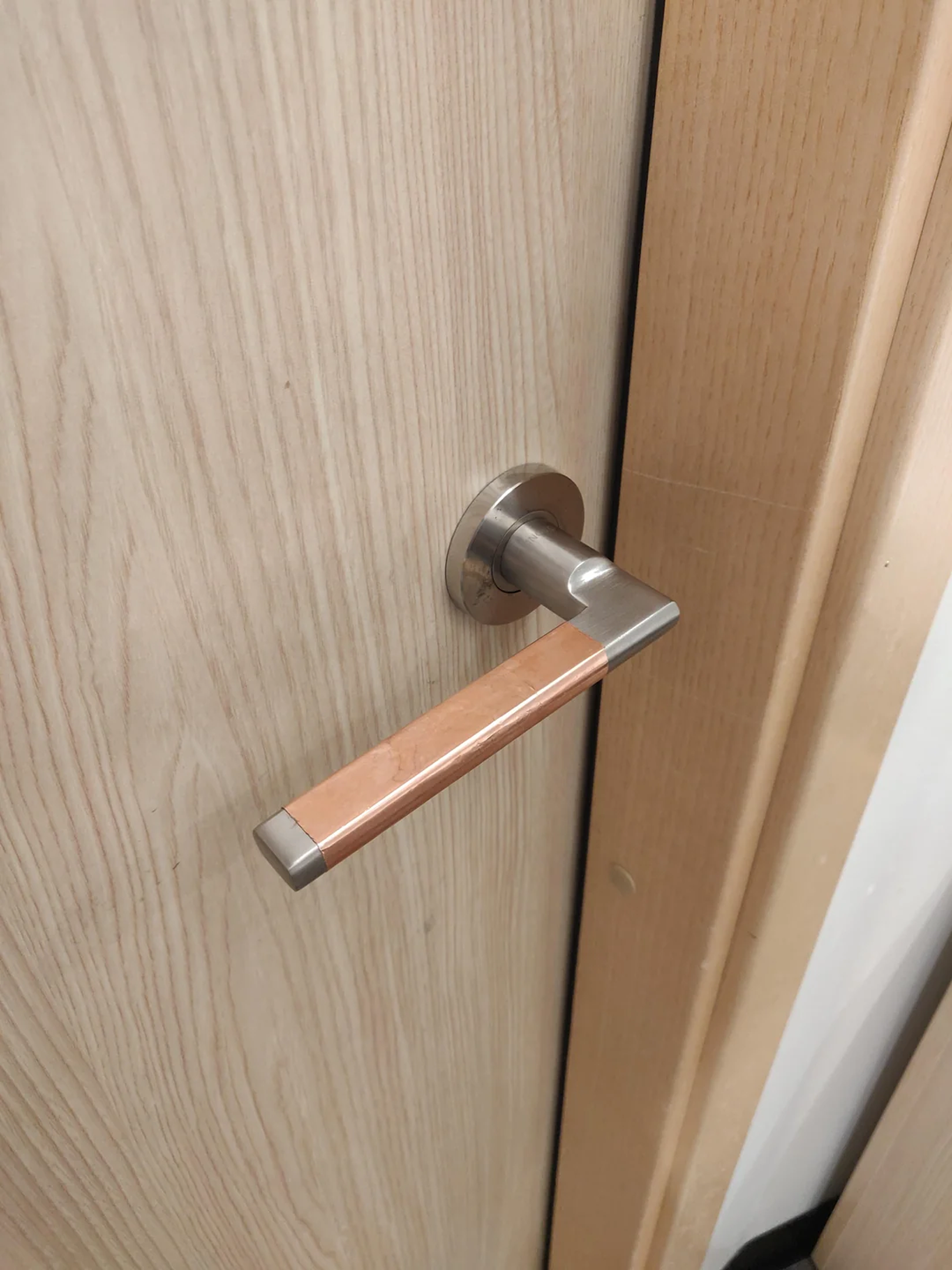
Proper care ensures that door handle finishes retain their appearance and functionality over time. Simple practices can help avoid premature wear and keep hardware looking professional in any setting.
Follow these tips to increase the longevity of your door handles:
- Use Non-Abrasive Cleaners: Wipe handles with a soft, damp cloth and mild soap. Avoid harsh chemicals that can damage protective coatings.
- Regular Dusting and Polishing: Dust and polish handles weekly to maintain their luster, especially for high-gloss and metallic finishes.
- Protect Against Moisture: In humid areas, dry handles after cleaning to prevent corrosion on finishes like oil-rubbed bronze.
- Avoid Excessive Force: Teach clients to avoid slamming or using handles improperly, which can chip finishes or loosen hardware.
- Inspect for Wear: Schedule periodic inspections in commercial settings to spot signs of tarnish or damage early and address them promptly.
- Apply Protective Coatings (if applicable): For unfinished metals, consider applying a thin wax layer to reduce oxidation and tarnishing.
Architects, interior designers, contractors, and other professionals should always consider maintenance efforts before finalizing the hardware. The next step is understanding how to align door handle finishes with room styles for cohesive and visually appealing designs. This is covered in the following section.
Matching Door Handle Finishes With Room Styles
Door handle finishes contribute significantly to the mood and cohesion of a space. Pairing them thoughtfully with room styles ensures the hardware supports the design vision rather than distracting from it.
You may want to consider the following pairings:
- Modern Interiors: Matte black and polished chrome offer sleek, clean lines that complement a minimalist and contemporary appearance.
- Traditional Spaces: Oil-rubbed bronze and brushed brass bring warmth and classic appeal, aligning with ornate trims and natural wood tones.
- Industrial Designs: Stainless steel and matte black handles enhance exposed metal, concrete, and raw textures common in industrial themes.
- Luxury Settings: Brushed gold and satin nickel create a sophisticated, high-end feel suited to boutique hotels or upscale residences.
- Coastal and Rustic Styles: Weathered finishes like oil-rubbed bronze or antique brass blend naturally with light, airy palettes and organic materials.
Matching finishes to room styles is just one aspect; the quality of the finish itself is equally important for client satisfaction and durability. Next, we will examine how finish quality impacts both perceptions and long-term performance.
Suggested Read: How to Install Bifold Door Snugger: A Basic Guide
How Does the Finish Quality Affect Client Satisfaction?
The quality of a door handle’s finish extends beyond looks. It directly influences how clients perceive the overall installation and how the hardware performs under daily use. Professionals who prioritize finish quality reduce callbacks and enhance client trust.
These are a few things to keep in mind:
- Longevity of Appearance: High-quality finishes resist tarnishing, scratches, and discoloration, keeping hardware looking new for years.
- Ease of Maintenance: Premium coatings minimize smudges and dirt buildup, making it easier for clients to keep surfaces clean.
- Tactile Experience: Superior finishes feel smoother and more substantial, contributing to a sense of luxury and attention to detail.
- Consistency Across Hardware: Quality manufacturing ensures uniform finish tones across multiple pieces, avoiding mismatched hues that can cheapen a space.
- Client Confidence: Durable finishes show clients their investment will last, strengthening your reputation as a professional who delivers lasting results.
For professionals seeking to exceed client expectations, partnering with trusted suppliers makes all the difference. The following section explains how Custom Door & Mirror helps deliver better results with hardware designed for long-term performance and style.
Deliver Better Results With Custom Door & Mirror Hardware
Custom Door & Mirror takes hardware performance a step further with innovations designed to solve common field challenges and enhance design flexibility. These custom features give professionals a clear edge in delivering flawless, long-lasting results for their projects.
These are a few reasons why professionals choose us:
1. Maximum Hardware Stability
Unlike many standard doors, Custom Door & Mirror doors use solid backing that provides a stronger anchor for hardware. This prevents loosening over time and ensures handles stay aligned even in high-use settings.
2. TruClose™ Patented Hinges
Our patented TruClose™ hinges maintain precise door alignment under repeated use. This reduces stress on handle finishes by ensuring the door closes properly every time, even in humid or shifting environments.
3. Finish Integrity
Custom Door & Mirror rigorously tests all hardware finishes against wear, abrasion, and cleaning chemicals. This ensures their handles retain color, texture, and sheen even in schools, hotels, and other demanding spaces.
4. Edge-to-Edge Sealing
Handles mounted on poorly sealed doors often suffer from swelling or finish damage. Our edge-to-edge sealing prevents moisture ingress, protecting both the door structure and handle hardware for extended durability.
5. Custom Finish
We offer the option to create custom hardware finishes that align perfectly with other fixtures in the space. This helps professionals maintain a cohesive look across doors, cabinetry, and accessories without compromise.
By combining engineering innovation with design flexibility, Custom Door & Mirror hardware helps professionals deliver installations that stand out for quality and performance. These solutions address the practical and style needs of modern projects, ensuring satisfaction for both designers and their clients.
Conclusion
Choosing the right door handle finish is a critical detail that impacts both the design flow and functional longevity of any project. From understanding finish types to avoiding common mistakes, professionals can ensure their selections meet client expectations and stand the test of time.
Custom Door & Mirror goes beyond standard solutions, offering hardware with advanced features like TruClose™ hinges and finish integrity testing. These innovations help designers, architects, and contractors deliver superior results on every installation.
Contact us today to discover the ideal custom hardware and door solutions that fit your requirements and client expectations.
Frequently Asked Questions
1. What finish is best for door handles?
The best finish depends on style and use. Satin nickel and matte black are durable and versatile, while polished chrome suits modern spaces. Stainless steel works well in high-traffic or coastal areas due to its corrosion resistance.
2. How to pick a door knob finish?
Consider room style, door material, and maintenance needs. Match finishes across hardware for a cohesive look. Test samples in natural and artificial light to ensure the chosen finish aligns with the project’s design and functional requirements.
3. What is the most timeless door hardware finish?
Satin nickel and brushed brass are widely regarded as timeless. They complement various styles, resist fingerprints, and age gracefully. Their neutral tones pair well with modern, traditional, and transitional designs, making them reliable long-term choices for projects.
4. Are brass door knobs dated?
Polished brass can feel dated, but brushed or antique brass has resurged in popularity. These updated finishes bring warmth and elegance without the overly shiny appearance, making them suitable for both contemporary and classic interior designs.